
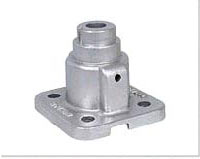
 A variety of casting methods are used for making the components for pumps and valves. They can be done using either ferrous or non-ferrous casting methods.
Pump and Valve components can be cast using the following processes malleable iron casting, gray iron casting and ductile iron casting.
Advantages of each of the casting methods are enumerated below that makes them suitable for pump and valve components.
|
Using Non-Ferrous Casting
Numerous methods are used to manufacture pump and valve components through this method, prominent among them are:
Silicon Brass Casting:This offers potent means of minimizing lead contamination.
Red Brass CastingIt can give very good Machining Qualities.
Tin Bronze AlloyIt's typically used in valves handling steam in temperatures up to 550°F and subjected to medium pressures.
A356.0 Primary, 356.0 SecondaryOnce heat treated it generates properties like pressure tightness, good resistance to corrosion and good machinability.